Short answer
Epoxy is preferred for primers and intermediate coats where good adhesion, chemical resistance and wear resistance are required; polyurethane, on the other hand, is preferred for topcoats that are exposed to sunlight and where appearance is important. The most common solution for outdoor use is an epoxy primer/intermediate coat plus polyurethane topcoat system.
Comparison
| Property | Epoxy | Polyurethane |
|---|---|---|
| Adhesion | Very good | Good (usually on a primer) |
| Chemical resistance | Very good | Good |
| UV / colour fastness | Poor, chalky | Very good |
| Typical use | Primer, intermediate coat, tank interior, floor | Exterior topcoat |
Epoxy paints
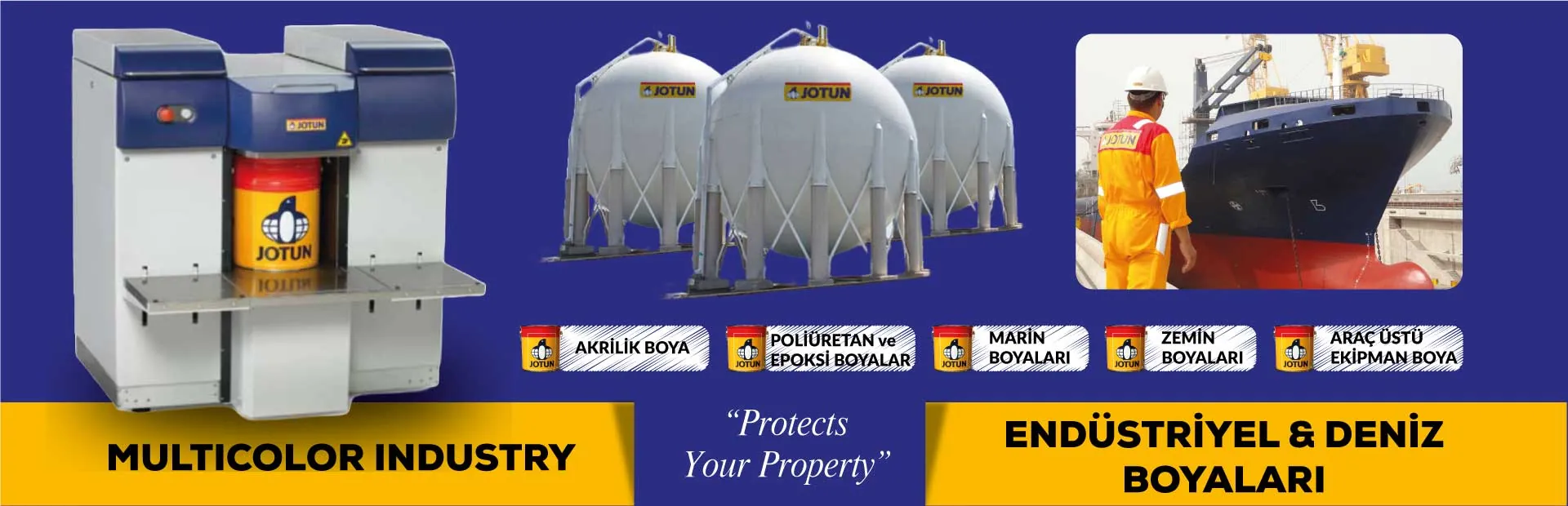
Two-component epoxy paints form a hard and durable film after curing. They are also used in areas subject to chemical contact, such as tank coatings; for example, Tankguard 412. You can explore Jotun’s epoxy options in the epoxy paints category.
Polyurethane paints
Polyurethane topcoats retain their colour and gloss for a long time; they are the preferred choice for machinery, steel structures and vehicle-mounted equipment. You can find the Hardtop and Futura ranges in the polyurethane paints category.
Acrylic and alkyd options
For jobs requiring easier application and faster drying, acrylic topcoats (Hardtop AS) or single-component alkyd systems (Pilot II) may be considered.
In two-component products, the mixing ratio, pot life and inter-coat drying times are of critical importance. Be sure to read the technical data sheet before application.